
Sign up for our newsletter
Subscribe to our emails
, by Collect Like This, 11 min reading time
See every starter Pokémon from Kanto to the fan-made Gen X in one complete list. Compare types, evolutions, and competitive stars across all 10 generations.
If you have ever searched for a single reference that lists every starter pokemon from the very beginning right through to the latest fan-made creations, you have probably noticed how fragmented the information is. Reddit threads offer quick charts, wiki pages dive into deep biological lore, and video explainers pack hours of detail into a single sitting. This guide brings all of that together in one place, covering the official first partner trios from Kanto to Paldea, plus the speculative Generation X starters that have captured the community’s imagination. Whether you skipped five generations and need a refresher, or you are a completionist tracking every evolutionary line, this is your structured walkthrough of all thirty-three starters as of 2026.
Starter Pokémon, officially called first partner Pokémon, are the three creatures offered to every trainer at the start of a main-series journey. Each trio follows a strict type triangle: a Grass-type, a Fire-type, and a Water-type. Grass beats Water, Water beats Fire, and Fire beats Grass, creating a balanced choice that shapes the early hours of every game. Beyond their mechanical role, starters carry enormous cultural weight. They are the faces of their respective generations, appearing on box art, in animated series, and across mountains of merchandise. For many fans, the starter they pick on day one becomes a lifelong favourite. This guide covers the nine official generations released between 1996 and 2025, plus the fan-created Generation X from the Pokémon Winds and Waves project, which is clearly labelled as unofficial throughout.
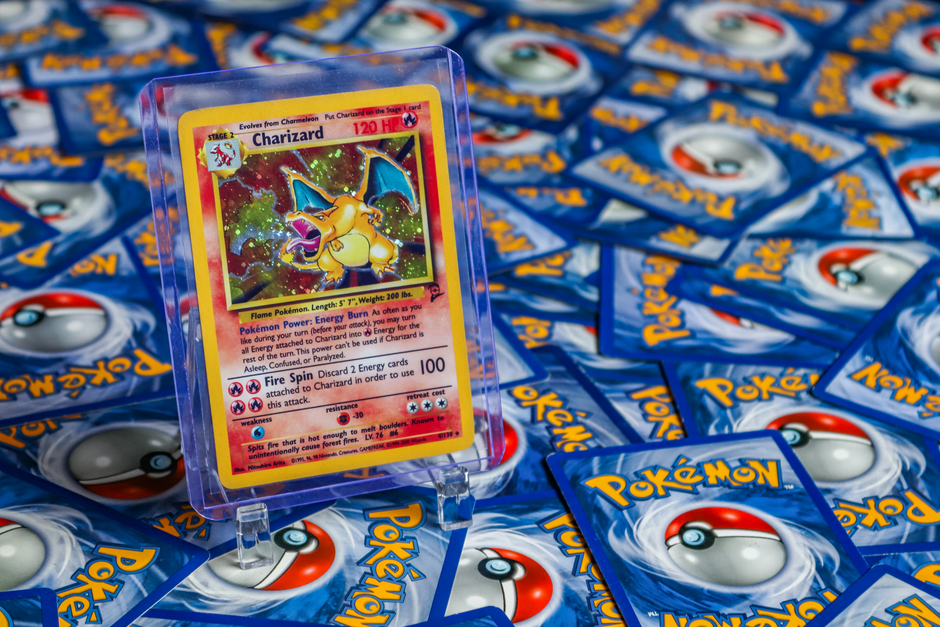
The trio that launched a global phenomenon consists of Bulbasaur, Charmander, and Squirtle. Bulbasaur is a Grass/Poison-type that evolves into Ivysaur and then Venusaur, offering a defensive playstyle with status moves. Charmander, the pure Fire-type, grows into Charmeleon and finally Charizard, a Fire/Flying powerhouse that remains one of the most recognisable Pokémon on the planet. Squirtle, the Water-type, becomes Wartortle and then Blastoise, a tanky favourite with its iconic shell cannons. These three set the template every subsequent generation would follow.
Johto introduced Chikorita, Cyndaquil, and Totodile. Chikorita is a pure Grass-type that evolves into Bayleef and Meganium, prized for its supportive movepool despite a reputation for being the toughest Johto starter to use in battle. Cyndaquil, a pure Fire-type, becomes Quilava and Typhlosion, a line known for its high special attack and sleek design. Totodile, the Water-type, evolves into Croconaw and Feraligatr, a physical attacker with a deceptively cheerful grin. This generation also brought breeding mechanics, cementing starters as the foundation of competitive teambuilding.
Hoenn gave us Treecko, Torchic, and Mudkip. Treecko is a pure Grass-type that evolves into Grovyle and Sceptile, a fast special attacker that later gained a Mega Evolution. Torchic, the Fire-type, becomes Combusken and Blaziken, the first Fire/Fighting starter and a monster in competitive play thanks to its Speed Boost ability. Mudkip, the Water-type, evolves into Marshtomp and Swampert, a Water/Ground tank with only one weakness. Mudkip also became an enduring internet meme, cementing its place in online culture far beyond the games.
Sinnoh’s starters are Turtwig, Chimchar, and Piplup. Turtwig, a pure Grass-type, evolves into Grotle and Torterra, a Grass/Ground behemoth with a living landscape on its back. Chimchar, the Fire-type, becomes Monferno and Infernape, a Fire/Fighting mixed attacker heavily inspired by Sun Wukong. Piplup, the Water-type, evolves into Prinplup and Empoleon, the unique Water/Steel combination that resists a staggering number of types. This generation introduced the physical/special move split, which fundamentally changed how starter movepools functioned.

Unova brought Snivy, Tepig, and Oshawott. Snivy is a pure Grass-type that evolves into Servine and Serperior, a regal snake with the Contrary ability that flips stat drops into boosts. Tepig, the Fire-type, becomes Pignite and Emboar, the third consecutive Fire/Fighting final evolution, a pattern that drew mixed reactions from fans. Oshawott, the Water-type, evolves into Dewott and Samurott, a samurai-inspired design that later received a regional variant in Pokémon Legends: Arceus. Unova’s starters marked the first time the series attempted a complete regional Pokédex with no returning species.
Kalos introduced Chespin, Fennekin, and Froakie. Chespin is a pure Grass-type that evolves into Quilladin and Chesnaught, a Grass/Fighting defensive wall with spiky armour. Fennekin, the Fire-type, becomes Braixen and Delphox, a Fire/Psychic mage-like fox that divided opinion on its bipedal final form. Froakie, the Water-type, evolves into Frogadier and Greninja, a Water/Dark speedster that became a cultural icon through its Ash-Greninja form in the anime and its dominance in competitive singles. This generation also introduced Mega Evolutions, though only the Kanto starters received them initially.
Alola’s trio features Rowlet, Litten, and Popplio. Rowlet is a Grass/Flying-type, the first starter with a dual typing from the beginning, evolving into Dartrix and Decidueye, a Grass/Ghost archer with a striking design. Litten, the pure Fire-type, becomes Torracat and Incineroar, a Fire/Dark wrestler that went on to become arguably the most successful starter in competitive VGC history. Popplio, the Water-type, evolves into Brionne and Primarina, a Water/Fairy singer with immense special attack. Rowlet’s round, expressive face made it an instant fan favourite for cuteness.
Galar gave us Grookey, Scorbunny, and Sobble. Grookey is a pure Grass-type that evolves into Thwackey and Rillaboom, a Grass-type with the Grassy Surge ability that reshaped competitive terrain strategies. Scorbunny, the Fire-type, becomes Raboot and Cinderace, a pure Fire-type with the Libero ability that changes its type to match its moves, making it one of the fastest and most versatile starters ever. Sobble, the Water-type, evolves into Drizzile and Inteleon, a Water-type sniper with a spy-inspired aesthetic. All three final evolutions received Gigantamax forms in the Sword and Shield expansion.
Paldea’s starters are Sprigatito, Fuecoco, and Quaxly. Sprigatito is a pure Grass-type that evolves into Floragato and Meowscarada, a Grass/Dark magician with blinding speed and a flair for misdirection. Fuecoco, the Fire-type, becomes Crocalor and Skeledirge, a Fire/Ghost singer that leans into bulk and special attack. Quaxly, the Water-type, evolves into Quaxwell and Quaquaval, a Water/Fighting dancer with flowing movements and high physical attack. This generation is notable for giving all three final evolutions unique secondary types for the first time, avoiding any overlap.
The Pokémon Winds and Waves fangame introduces a trio of original starters that the community wiki treats as Generation X. These are not official Nintendo or Game Freak designs, but they have gained enough traction to appear in comprehensive starter lists. The Grass-type starter is a leafy, forest-dwelling creature with a design rooted in regional folklore. The Fire-type leans into volcanic imagery with a quadrupedal build. The Water-type draws from deep-sea mythology. Because these are fan-made, their names, stats, and evolutionary lines remain fluid and subject to change as the project develops. They are included here for completeness, but any collector or competitive player should note their unofficial status.
Looking across all ten generations, clear patterns emerge in how starter types are distributed. The Fire/Fighting combination appeared three times in a row, with Blaziken, Infernape, and Emboar, a run that frustrated fans until Delphox broke the streak with Fire/Psychic. Grass-type starters have the most varied secondary typings, including Poison, Ground, Fighting, Ghost, and Dark. Water-types have produced some of the rarest combinations, such as Empoleon’s Water/Steel and Primarina’s Water/Fairy. Generation IX stands out as the first where all three final evolutions carry secondary types that do not repeat within the trio: Grass/Dark, Fire/Ghost, and Water/Fighting. No starter has yet received a regional variant in the traditional sense, though Hisuian forms in Pokémon Legends: Arceus gave alternate final evolutions to Rowlet, Cyndaquil, and Oshawott, effectively creating new type matchups for existing lines. A visual chart comparing every final evolution’s typing would reveal how Game Freak has gradually expanded the type diversity of starters while keeping the core Grass-Fire-Water triangle intact.
Ask ten trainers which generation has the best starters and you will get twelve different answers. Generation I wins on nostalgia alone, with Charizard and Blastoise remaining cultural touchstones decades later. Generation III often tops ranked lists, including those published by IGN and Gaming Bible, thanks to the competitive legacy of Blaziken and the meme-powered popularity of Mudkip. Generation VII earns respect from serious battlers because Incineroar’s Intimidate and Fake Out combination dominated VGC for years. Some fans champion Generation IV for its balanced designs and the introduction of the physical/special split, which made all three starters viable in-game. The truth is that “best” depends entirely on what you value: design aesthetics, battle prowess, sentimental attachment, or anime representation. Every generation has its defenders, and every starter has someone who picked it on day one and never looked back.
Starters are not just in-game companions; they have carved out significant roles across competitive battling and spin-off titles. In VGC, Incineroar has been a defining presence, offering support, disruption, and surprising bulk. Greninja’s Protean ability made it a staple of Smogon’s singles tiers, while Rillaboom’s Grassy Surge enabled entire team archetypes built around terrain control. In Pokémon GO, starter Community Days are among the most anticipated events of the year, giving players a chance to catch shiny versions and evolve them with exclusive legacy moves like Frenzy Plant, Blast Burn, and Hydro Cannon. Pokémon Masters EX pairs iconic trainers with their starters, creating sync pairs such as Red and Charizard or Cynthia and Turtwig that fans can collect and upgrade. The Pokémon Trading Card Game regularly features starters as chase cards in special sets, with Charizard in particular commanding high prices on the secondary market. If you are looking to add starter-themed sealed product or graded cards to your collection, the Pokémon category at Collect Like This includes booster packs and boxes that often feature these beloved creatures.
How many starter Pokémon are there in total? Across nine official generations, there are twenty-seven first partner Pokémon, plus three fan-made Gen X starters, bringing the total to thirty. What are the starter Pokémon types for each generation? Every generation uses Grass, Fire, and Water as the base types, with secondary types appearing upon evolution in most cases. Which starter Pokémon is the strongest competitively? Incineroar from Generation VII is widely considered the most successful in VGC history, while Greninja from Generation VI has dominated singles formats. Are there any starter Pokémon with regional variants? As of 2026, no starter has received a traditional regional variant, but Hisuian forms in Pokémon Legends: Arceus gave alternate final evolutions to select starters. Can you get all starter Pokémon in one game? Only through trading, transferring via Pokémon HOME, or participating in special distribution events; no single game cartridge contains every starter natively.
From Bulbasaur to the fan-made Gen X trio, this guide has covered every starter pokemon released or imagined across ten generations. The first partner you choose says something about you, and with thirty official options plus community creations, there has never been a better time to explore the full lineage. Bookmark this page as a living reference; as new regions are announced and new trios emerge, the list will grow. Whether you are a Gen I veteran who still has your original cartridge or a Paldea newcomer picking Sprigatito for the first time, the perfect starter is waiting for you.